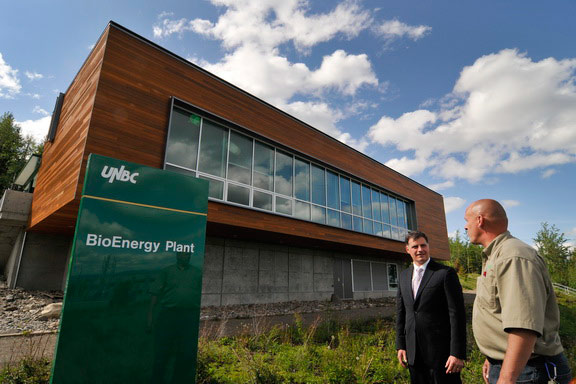
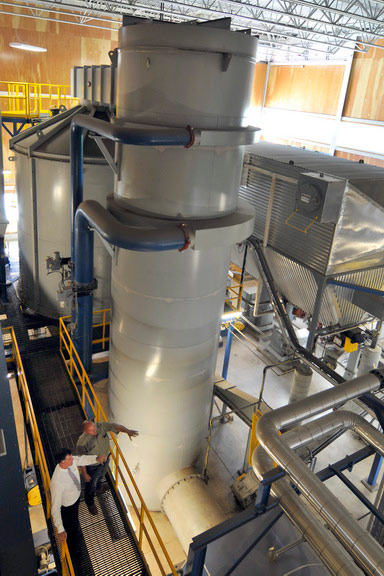
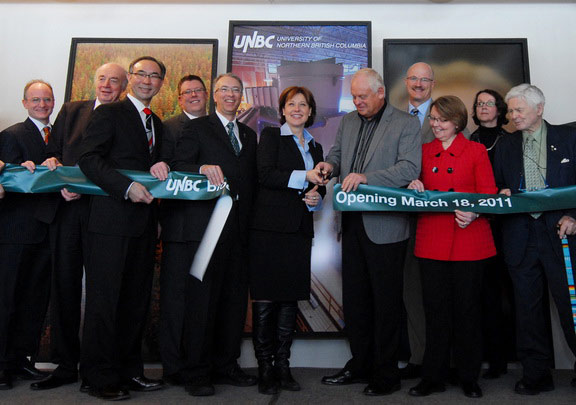
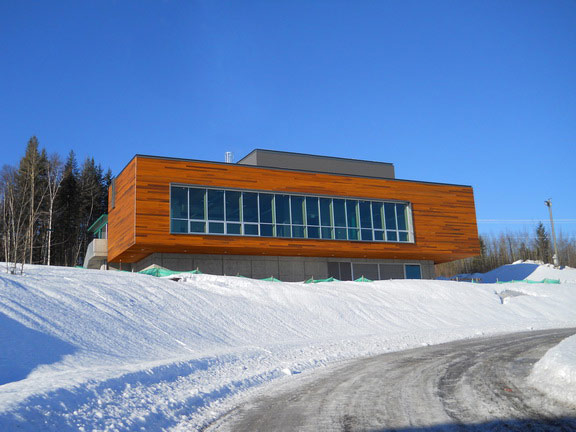
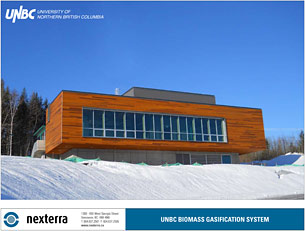
In 2009, UNBC selected Nexterra to build a biomass gasification system that enables the university to utilize locally sourced wood biomass to produce clean-burning syngas, displacing the natural gas used for heating the campus. Opened in 2011, the system has reduced UNBC's natural gas consumption by 89%, lowered energy costs and decreased greenhouse gas emissions by 3,500 tonnes per year, equivalent to taking 1,000 cars off the road.
"We see the bioenergy program as an important component of UNBC's commitment to reduce greenhouse gas emissions and implement renewable energy technologies on the Prince George campus."
– Dr. George Iwama,President, UNBC
UNBC Gasification System
Customer:
University of Northern British Columbia
Location:
Prince George, B.C.
Facility Type:
University
Application:
Biomass gasification plant to provide heat for campus
Nexterra Scope of Work:
Turnkey gasification system
Benefits
89% displacement of natural gas
Greenhouse gas reduction
Long term fuel cost savings
Cleaner air and reduced emissions
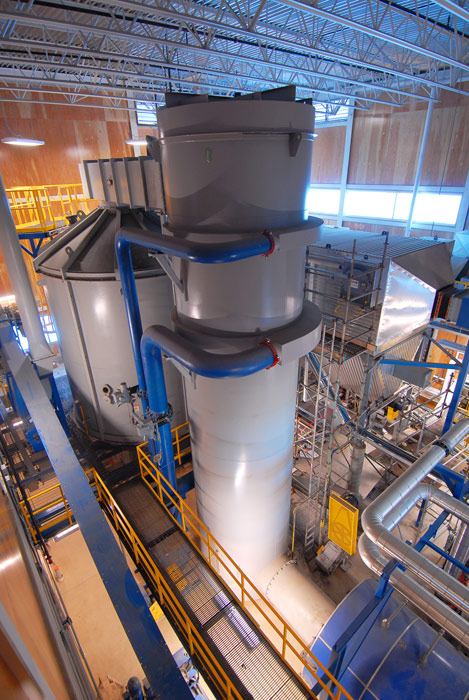
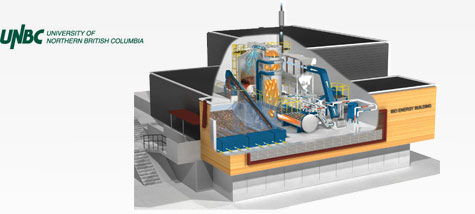
Process
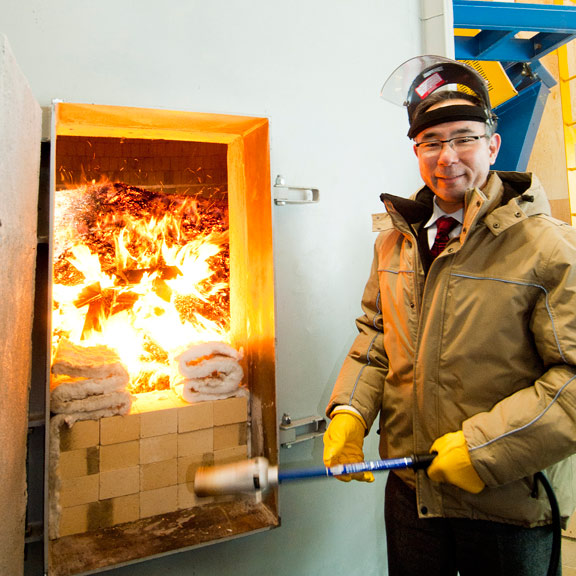
One gasifier converts biomass to
combustible gas.
Syngas is burned in the oxidizer.
Hot flue gas is directed through a hot
water boiler.
Hot water is then distributed to campus buildings.
ESP cleans flue gas before releasing
it
out the stack.
Highlights
Start-up: May 2011
Capacity: 15 MMBtu/hr net useable heat for hot water to heat campus
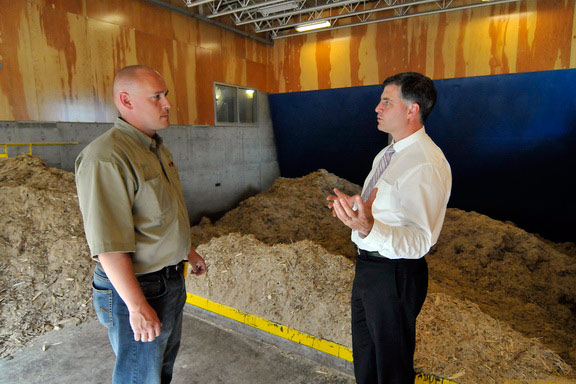
Fuel: Locally sourced wood waste
Fuel moisture content:
Up to 60%
Photo and Video Gallery for University of Northern British Columbia
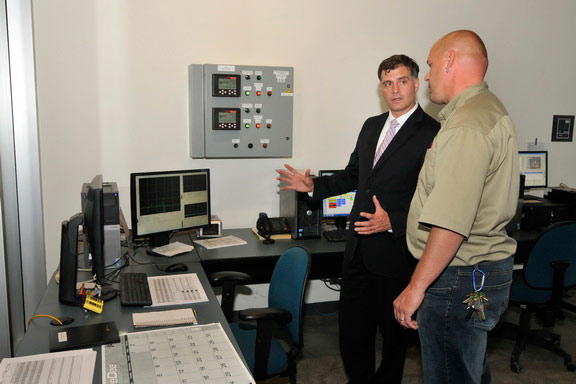
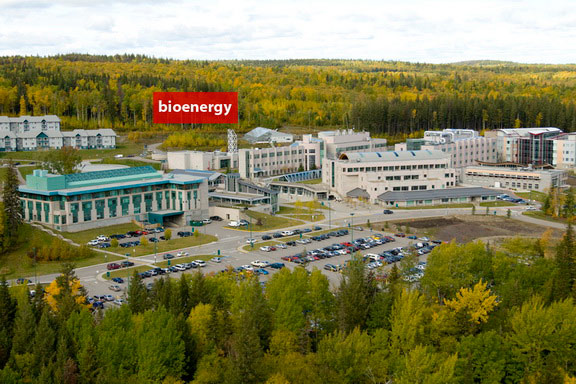
UNBC Celebrates 2nd Year for Biomass Energy System


 About the Project UNBC
 Technology System Highlights
 Gallery Photos & Video
 In the News Media Coverage